
Thoughts on Politics and Current Events
Mar 23, 2026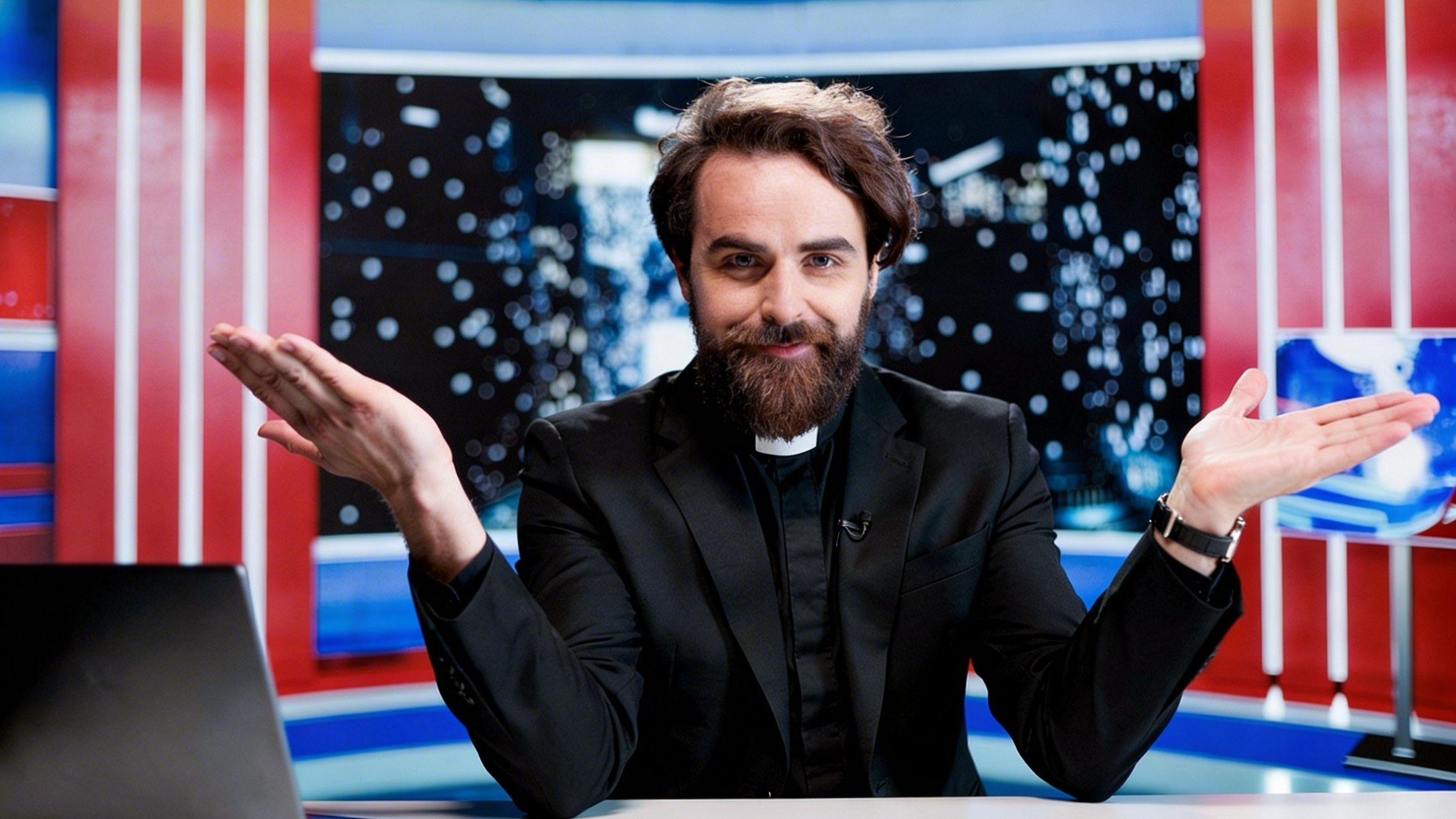
A question I have received more frequently recently has been about social and political issues as well as current events. Over the last few years, this has become a much bigger challenge for parish leaders. At Nativity we often find it difficult to navigate whether we should address a current event and what level of response it should get if we do address it. We live in a 24-hour news cycle and something that is a big deal on Monday might be inconsequential on Thursday and largely forgotten by the weekend. At the same time, we pastor people through our preaching and our weekend experience. If we miss out on what is impacting people and their emotions then we can miss out on them.
Below are three principles and three practical suggestions I would offer to parish leaders when it comes to social issues, politics, and current events. Let me start with a few basic principles.
Principles
Our first responsibility is to preach about the Good News not the news of the day. We already have the greatest news there is. Christ has died. Christ has risen. Christ will come again. Jesus’ resurrection from the dead is the greatest news in human history. He once and for all conquered sin and death. He once and for all changed our destiny. This news is so great that it still impacts us today. This news is so great and still so fresh that it can change our lives today; because the same Spirit that raised Jesus from the dead lives in us. Sometimes the news of the day needs to be addressed, but it should never take priority over preaching the Good News.
Our mission is to make disciples of all the people in our parish boundaries. Our mission is to disciple people of all political affiliations; liberals and conservatives and progressives and independents. We are to reach all the ethnicities in our parish boundaries. We have a mission to lead people in a growing relationship with Jesus Christ whether they believe in Church teaching or not. Our communication and preaching must never get so narrow that it excludes people who don’t share our own political views. This is why we wrote a chapter in our book Rebuilding Your Message called “Keep your politics to yourself.” Once you share your personal politics you will alienate people who don’t agree with you.
I like a few things that pastor JD Greear says on this point. He notes, “I want to serve the forward interests of the Gospel.” He also notes that he is zealous to guard his pulpit so that when he preaches, he can say, “Thus says the Lord and not thus thinks JD Greear.”
Our role is to pray for people and the concerns of the world. We will pray for anyone. Our job and role as a church is to pray for people, especially for their souls. When someone dies, their politics and beliefs no longer matter; we want them to go heaven. We pray for them because it is God’s will that none be lost and all be saved. Praying for people does not mean we agree with them; it means we acknowledge their value and worth before God. Praying for an issue or people does not mean we have a particular stand. It means we recognize the issue and ask for grace. Of course, we have to word our prayers as prayers and not as veiled political statements.
Practical Applications
When an issue comes up, talk about it as a core strategic team. At Nativity when something big happens in the news, our strategic team will get together and talk it over. We will offer feedback about how big an issue it is and what we need to say about it. Usually, we come to some level of agreement, but the ultimate say is with Father Michael as pastor. He makes the final call because most of the burden will probably be carried by him.
Define the right level of engagement. When it comes to the news of the day, we would say we have four different levels of engagement. One is not to mention it at all. Next is to mention it in our Universal Prayer. At a deeper level, Father Michael might say something at the beginning of Mass or make a mention of it in the homily. This is when we know a topic is on everyone’s mind, whether it is a natural disaster or some other traumatic event. At the deepest level, we would change the homily and maybe some music selections in the Mass to address the issue.
Leverage the Catholic bishops. As Catholics we have the blessings of bishops and a larger Church teaching. On many political issues they have made statements and taken time to address certain topics. Don’t be afraid to refer people to the bishops’ teachings on topics instead of feeling the need to explain Catholic stances on current issues.
Know you won’t always get it right. As I mentioned at the beginning, this is a challenge. People will not always agree with what you say or don’t say. You will have 20/20 hindsight. Pray about the decision. Ask God to lead you and then do the best you can. Give yourself the grace to make mistakes.
Rooting for you,
Tom
