
Q&A on Cultural Change - Part 3
Apr 27, 2026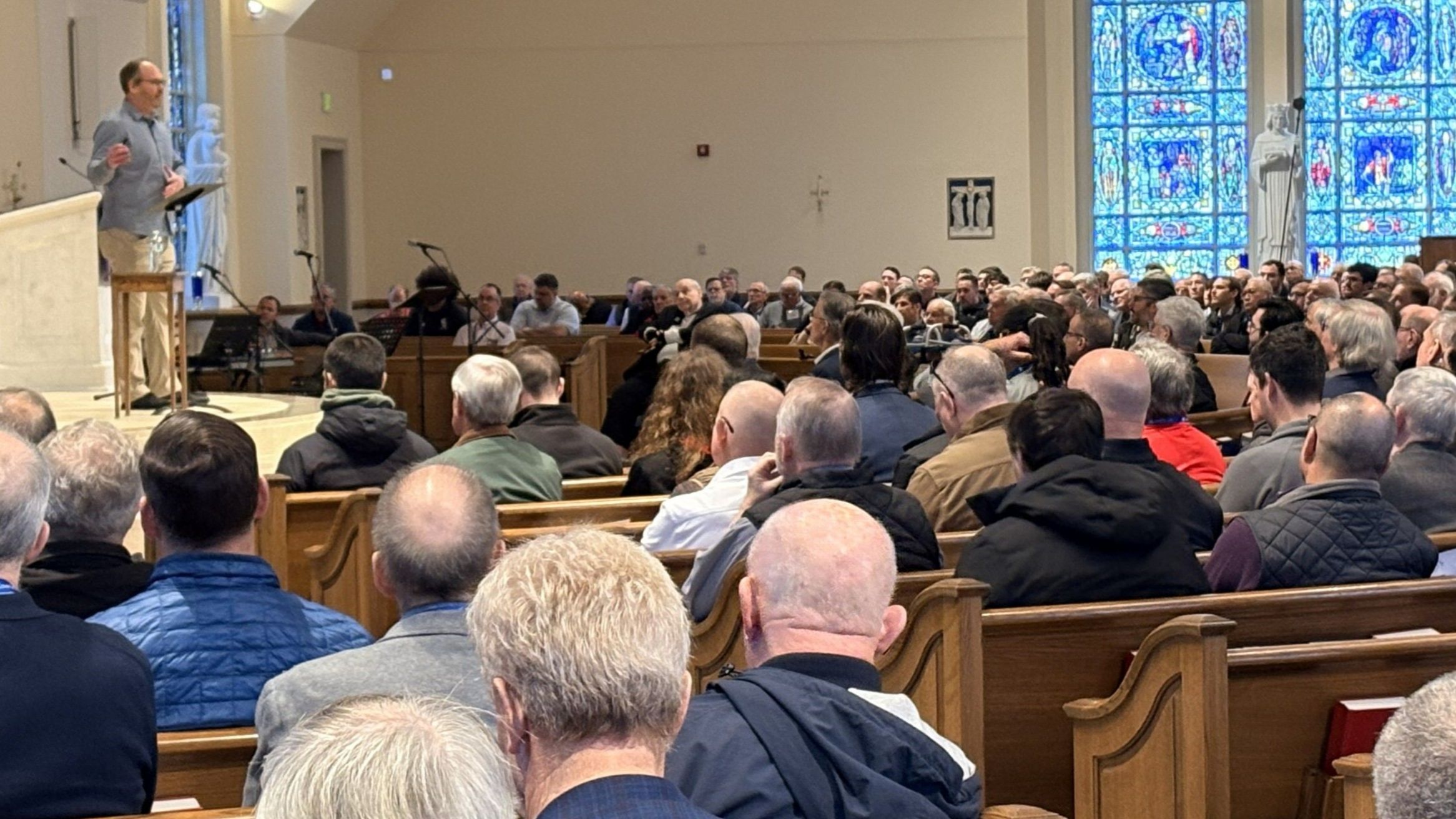
Creating parishes that focus on reaching the lost and making disciples requires ongoing cultural change. This past Lent, I did a parish mission and the core team asked me to host a question-and-answer session. I loved their questions because they were so real and unfiltered. They addressed behind-the-scenes challenges in parishes that all leaders face yet rarely get addressed or discussed. When Father Michael and I started working to make changes in our parish, we found it so helpful that other local church leaders lifted the veil and addressed these issues. Below were their questions and my thoughts on them.
What tools will aid the pastor, councils, and staff to protect them from being vilified and to counter the negativity that can be personally directed?
I have three suggestions to offer on this question:
Number One: You can’t stop from being vilified or prevent anyone from speaking negatively about you.
We can be wise about our decisions; but if you make bold choices, people will often criticize you. You can’t control how people respond. You can, however, choose not to be offended. When you allow it to offend you, you play to the kingdom of darkness not the kingdom of light. We all can fall into offense, but it is a trap; a dead end. Accept that some people will vilify and speak poorly about you.
Beyond not letting it offend you, rejoice. That’s what Jesus said to do: “Blessed are you when they insult you and persecute you and utter every kind of evil against you (falsely) because me. Rejoice and be glad, for your reward will be great in heaven.” (Matthew 5:11-12)
I know, I know, I know. That’s easier said than done. It’s easier to quote than to put into action. However, if you know you are humbly taking steps to build a culture of evangelization and discipleship and you are getting criticized or vilified for doing so, do your best to rejoice. Rewards are coming.
Number Two: Cast a vision.
Casting vision means that we don’t just make changes in a parish but we explain why we are making the changes and where we are leading the people. Every parish culture is perfectly designed for the results they are now getting. Many parishes work for a certain core group of people or insiders who are getting exactly what they want. Changes are often needed to reach the people who are not coming and to grow into a deeper level of discipleship. We have to explain the decisions we are making.
Without vision casting, people of good will may not understand why we are making changes. When we cast vision in homilies and other communication, it helps people get on board with those changes. Explain whatever changes you are making and the fruit you hope it will produce rather than just letting the changes speak for themselves. Let people know it is a grander vision behind the changes and not just personal preferences.
Number Three: Tell your story.
When you experience success and fruit from your changes, let the people in your community know. Share wins that show your vision is coming to life. Share the struggles in making the vision possible but that you are committed to the long obedience in the same direction it will take to get there.
How do you effectively and positively redirect people from going straight to the pastor, bypassing the staff who are there to assist him in administration of the parish?
Addressing this problem begins first and foremost with the pastor. Pastors need to delegate authority to team members and stand behind them. For example, when it comes to the building and facility, our operations director Tracy has authority to make decisions. She consults with Father Michael but most often he tells her, “You decide.” This is not abdicating responsibility; it is empowering others. When a pastor empowers other team members, it cuts down on people going straight to the pastor. If someone approaches the pastor, he can always direct them to the team member who has the authority over that department.
Building up a core leadership team also guards against this. Any major decisions at our parish are made as a core team. We discuss and collaborate on issues, although Father Michael always has the final say. The core leadership gives backstop to both the pastor and other key leaders. When approached, they can always use the line, “I need to talk to my team about that.”
One other thought with people who come up with grand ideas for ministries or pet projects: Create a system that puts the burden on them. Ask them write up a detailed report or a comprehensive plan. When people have to do actual work to support their great idea, they will often drop it.
What would you suggest as the first steps to positive change? Where would you start?
This is a question that often depends on the parish. As a general rule, cultural change begins with leaders who have a sense of urgency. It then flows out into the weekend experience, meaning the Mass and the programs around it. We cannot change the culture of a parish without changing the key environment in which most people experience the parish. For 90 percent of people, the Saturday Vigil or Sunday Mass is all they know about the parish.
If you would like more help discerning your first steps to positive change, look into our parish coaching. We would love to accompany you on the journey, help you figure out your next steps, and support you through the inevitable challenges of parish life. To learn more, go to https://www.rebuiltparish.com/coaching
Rooting for you,
Tom
