
Q&A on Cultural Change - Part 2
Apr 20, 2026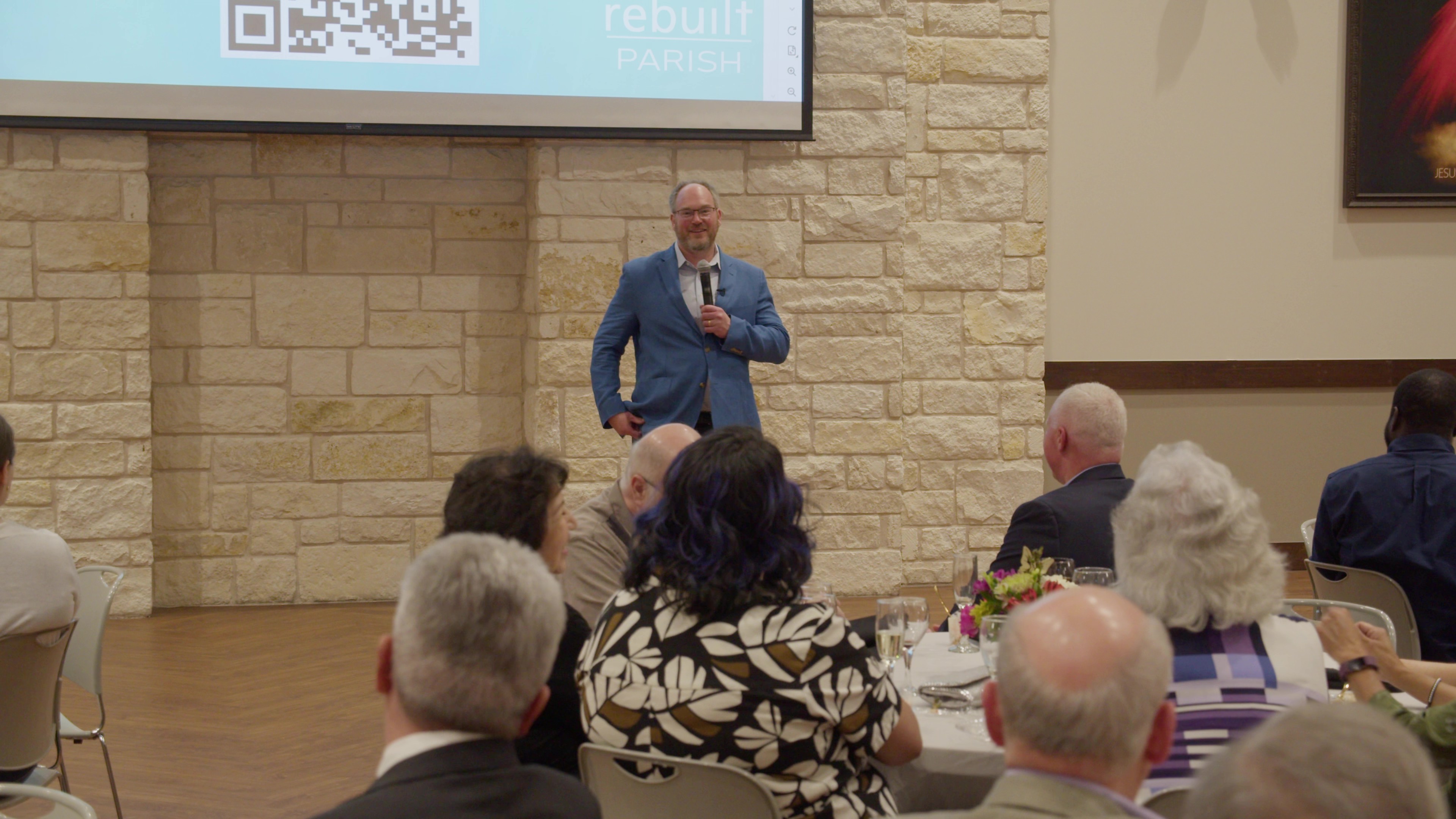
Creating parishes that focus on reaching the lost and making disciples requires ongoing cultural change. This past Lent I did a parish mission and the core team asked me to do a question-and-answer session. All their questions were essentially about cultural change. Below are their questions and my thoughts on them.
How do you cultivate the mindset that it is consistent giving that builds financial security and not multiple fundraisers or complacency?
First, we have to teach what God’s word says about money and possessions. As people get more acquainted with how much Jesus taught about money and giving, they will come to see it as a part of discipleship. Then we need to get rid of fundraisers as quickly as possible. Fundraisers set up a competing system that sends a mixed message. Start with any outside organizations that use your lobby or space to sell for their purposes. Then get rid of the ones that have the lowest payoff and are most draining first.
Also, host a stewardship weekend. Once a year invite the members of your parish to make a prayerful and thoughtful commitment to the parish for the year ahead. Give out cards or ask people to fill out a card online. In the weeks leading up to the weekend, let them know it is coming. On the stewardship weekend, you want to communicate three things:
- One, remind people that it is their giving that makes the ministries possible.
- Two, connect the giving to impact. Share stories and testimonies of what is being accomplished.
- Three, connect giving to discipleship. Share scripture verses on what God says about money.
For more tips on raising money in your parish, check out our Stewardship course at rebuiltparish.com/finance-equip-course
We hear from some parishioners they do not know what is going on in the parish. We communicate with the parish via bulletin, pulpit announcement, flock notes, Facebook, and postings on the website. How do we instill that it is their responsibility to seek these avenues to be in the know and for facilitators to trust that these avenues are sufficient?
As noted above, some people will say they haven’t been communicated with even if you have communicated. That is part of dealing with the public. Overall, there are two major steps we can take to reduce the impression that we are not communicating enough.
One, communicate less not more. This is paradoxical, but when we try to communicate everything that is going on all the time, it drowns out everyone’s message. Choose the top three priorities that need to be communicated each week and give them priority. Let ministries know that there will be times they will be highlighted and times when they will take a backseat. As an aside, often the fighting over communication space among leaders means there are too many ministers or they are siloed and don’t understand their role in the mission as a whole.
Two, leverage the weekend messaging to communicate what is most important. At Nativity we have an announcement before Mass that lists the top three announcements we want everyone to know about. This includes upcoming events as well as major initiatives of the parish. We also have something called endnotes, which is after communion. This shares our top priority or event to be communicated for the week. If you have a disciplined method of saying what is most important, it will focus people’s attention.
We are seeking advice on how to deal with parish “bullies” and those parishioners who are still so stuck on being a founding member that they think their comments or opinions should carry more weight…if not all the weight….in telling our pastor how to run the parish.
The first strategy is to ignore them. Do not give them air time or meeting time. If they request a meeting, don’t answer them. Sometimes that can be enough, but not always.
A leadership book I read many years ago had a whole chapter called “Stand up to Bullies.” That chapter resonated with me and Father Michael greatly. Some bullies will go away if you ignore them but some will not. You will have to stand up to them in some way. It might mean giving them a firm no; you will not talk with them if they persist on demanding a meeting. It may mean telling them they are no longer welcome to serve or volunteer. We have had some cases where we actually had to take legal action and bar people from attending the parish; those are extreme cases.
If a pastor or staff member is being attacked, it is important that the team rallies to their support. Don’t let anyone ever feel like they need to stand up to the bully alone. Send at least two people into the confrontation. There is strength and wisdom in numbers.
As I mentioned in the last blog, I’m looking to do more parish missions next year with the release of our new book Jesus, the Rich Young Man and the Meaning of Life. The book will be a reflection on our ache for eternal life. If you would be interested in having me speak at your parish or using the book next Lent, send an email to Natalie at natalie@rebuiltparish.com.
Rooting for you,
Tom
