
Q&A on Cultural Change - Part 1
Apr 13, 2026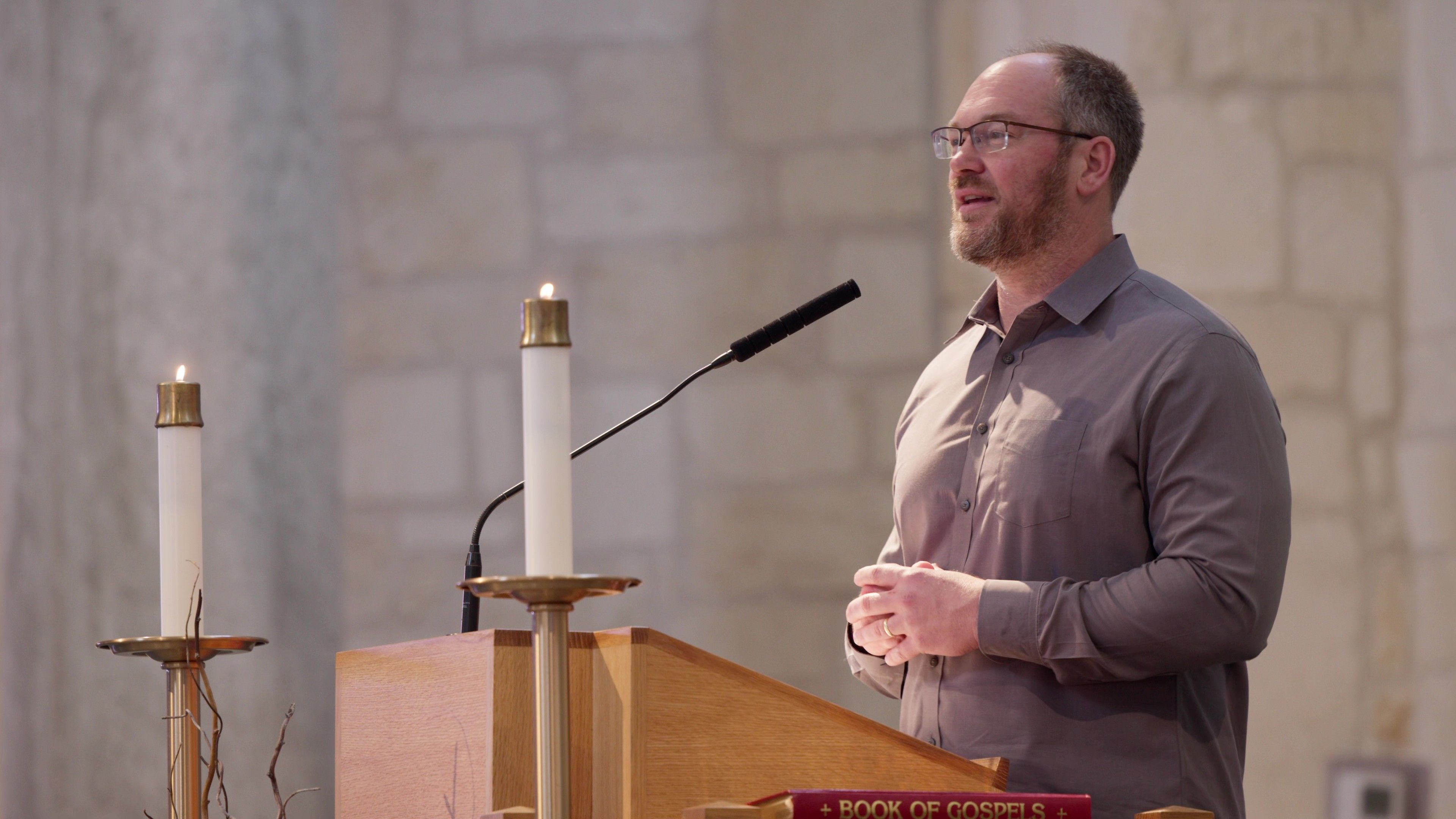
This past Lent, I did a couple parish missions. One of the parishes asked if I would sit down with the core team for a question-and-answer session. I agreed but asked them to send me the questions in advance. They were great questions. Most of them focused on how to change a culture and the challenges that come with parish leadership. Below are some of their questions and my perspective on them.
Question: Culture shift in a parish is hard to accomplish. How did your parish contend with those who wanted to go back to the way things were and became very vocal and persistent in their pursuit of what was?
People will resist change and want to go back to the past. This is human nature. After their deliverance from slavery, the Israelites longed for the past and wanted to go back to Egypt. At Nativity, we worked to share that the old ways weren’t working. In our case, we simply looked at the stats or experiences of parish closings. If something didn’t change then we would close too. It’s helpful when you can point out that what worked in the past isn’t working now.
You can also acknowledge that what worked in the past was good. Something worked for a season. By saying it isn’t working now does not discount the good work of the past. As my friend David Chrzan, who worked for Rick Warren and is now at YouVersion, likes to say, “Things work until they don’t.”
Systems and ways of ministry may work for a season and then they stop working or are no longer relevant. This doesn’t mean they failed; it means they no longer serve the mission of making disciples. Acknowledge that something worked but now it is time for us to move on so we can serve God in our generation.
Along with acknowledging what isn’t working, paint a vision of a preferred future. At Nativity, we painted a vision of where we were going. Specifically, we painted our path of discipleship and evangelization. We shared our plan to help people grow in their faith and how that would help us reach the unchurched and dechurched in our community.
Question: How did you “win” people over to the new vision? Or if not win, not allow people to undermine the current direction?
This is a good question. It acknowledges some people you will win over and some you will not. People of good will and those who catch a glimpse of the vision will be won over. Make sure you speak to people who are willing to listen and not the critics. Direct your communication and efforts to people who are of good will and who, if given good reasoning, will go along. The critics aren’t going to go. If you speak to the critics they won’t move and neither will the people of good will.
When we are communicating, we often have a person in mind we hope will hear the message. Whenever communicating the vision, pay careful attention to the person most on your mind. If it is the critical person you are trying to convince, scrap it and start over. Instead, think of a person who might have questions and might need to hear more about the vision, but who is likely to come along once those questions are answered.
How do you not let critics undermine you? Let me define the critic. It is not the person with questions who seeks to understand. The critic is the one who undermines the vision and spreads rumors or half-truths. Largely, you ignore them and don’t engage them or give them much attention. The more attention you give, the more life you give them. The less you stoke the fire, the more likely it will go out.
Nehemiah gives us a great example of this in his rebuilding the wall around Jerusalem. He is opposed by Sanballat, a critic who does not want to see the construction of the wall completed. He makes accusations about Nehemiah’s motives and asks to meet with him. Nehemiah knows the meeting is only to harm him and slow down the work. So instead, we are told:
“And I sent messengers to them, saying, ‘I am doing a great work and cannot come down. Why should the work stop while I leave it and come down to you?’” (Nehemiah 6:3)
Nehemiah notes that four times the critics tried to meet with him and each time he answered in the same way. Don’t stop the work of parish renewal to answer the critics.
The parish had more questions, which I will share in the next blog. As an aside, I usually do a couple of missions each Lent but I’m looking to do more next year with the release of a new book. The book will be a reflection on the rich young ruler and how the encounter reveals our ache for eternal life. If you would be interested in having me speak at your parish or using the book next Lent, send an email to our team at natalie@rebuiltparish.com.
Rooting for you,
Tom
